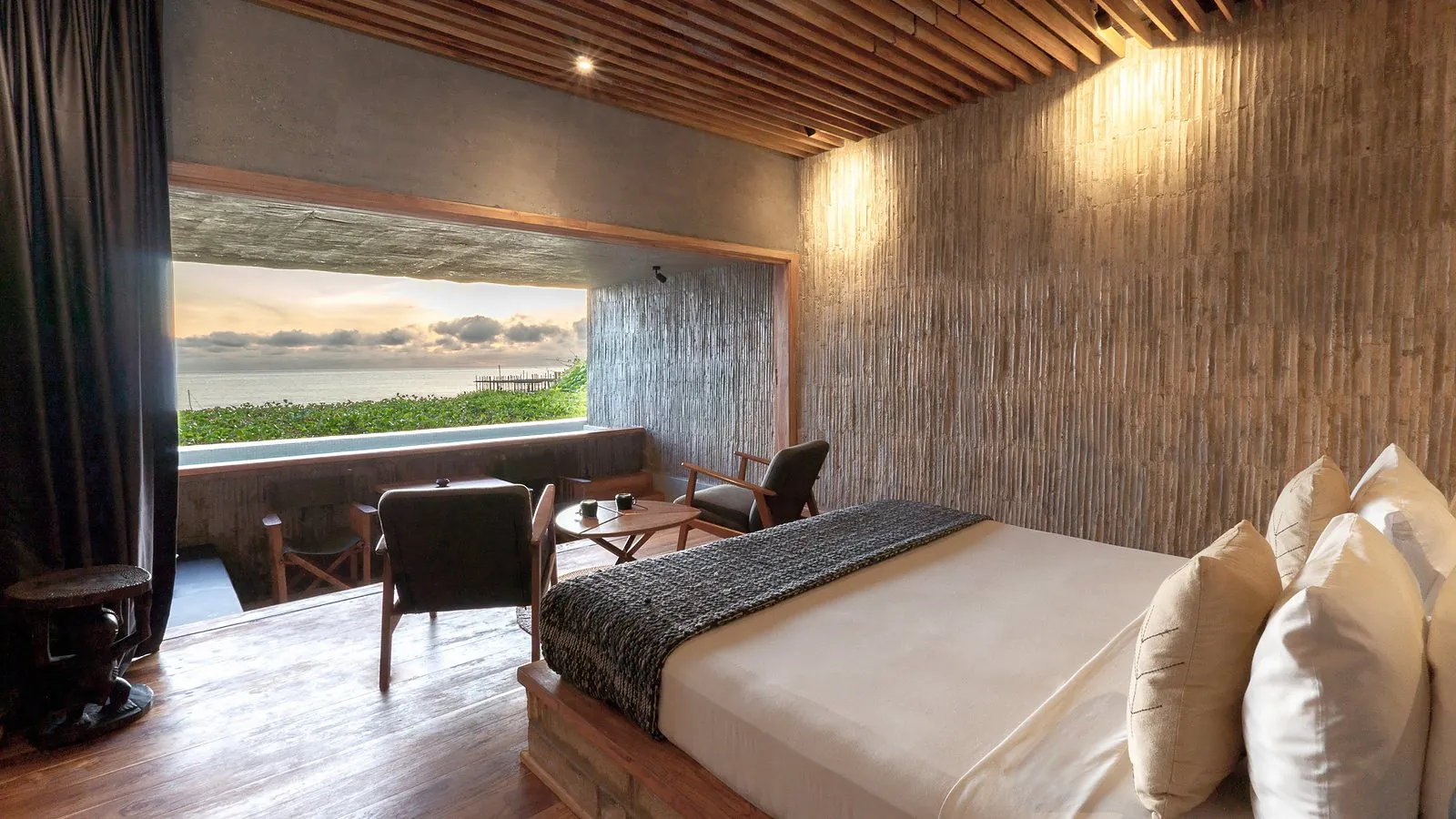
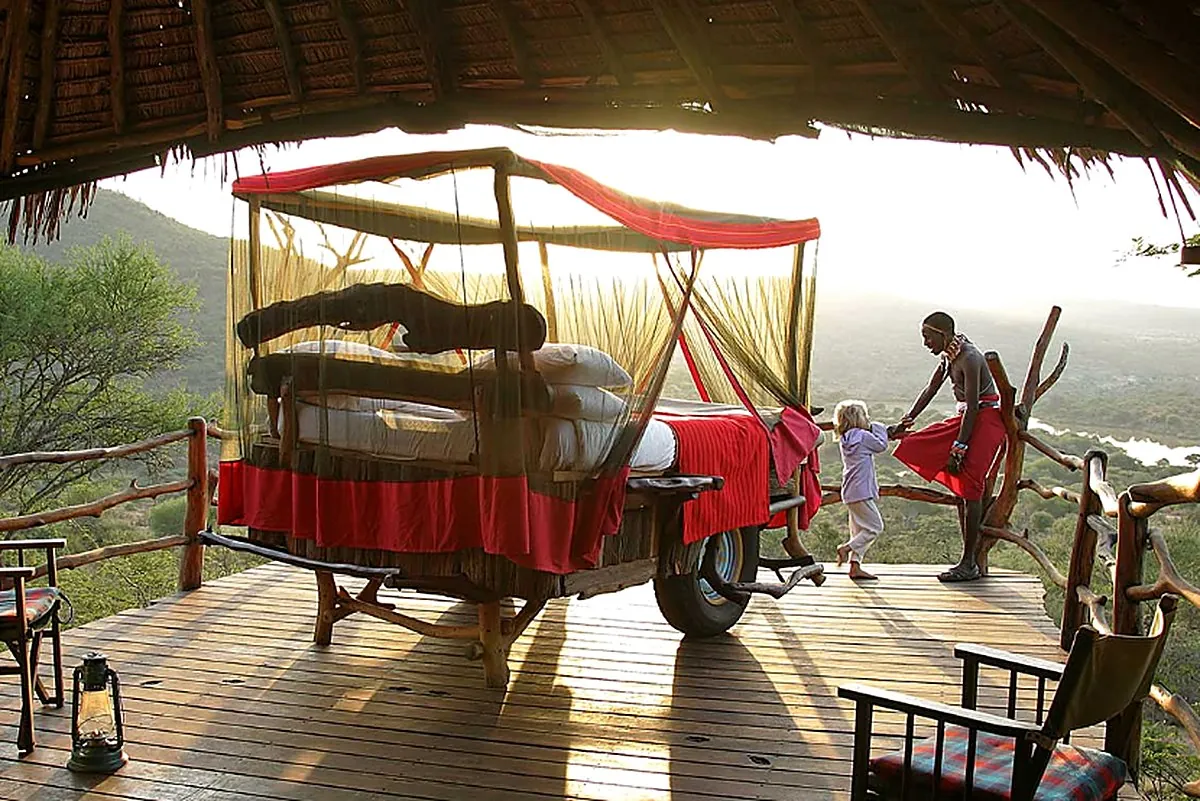
Marketing and sales. The brand grew out of the concept, down to the furniture we sourced locally. Website, brochures and Instagram tell the same story, and the Instagram account grew to 30,000 followers. In sales we had to hold our own against the island's large resorts, at one of the highest rates on the Jambiani coast. In the first year most bookings came through OTAs, and guests paid the rate for the story and for how the hotel looked on Instagram. In the second year we removed all discounts and left Booking.com's Genius programme. By the third year, most bookings came direct. That same year the agents who had overlooked us at the start came back on their own, and we brought TUI on board as a partner. The story filled the beds.
Operations. We developed the restaurant concept and committed to a zero-footprint approach with thorough waste management. The kitchen follows the seasons: vegetables from the gardens, our own chickens, baobab leaves and foraged greens. We recruited deliberately from the village and, wherever we could, trained and developed our people ourselves. A permaculture specialist trained our gardeners, and some of our trainees came through Just a Drop, an NGO from Moshi that trains at-risk young women for hospitality, in a long-standing partnership.
Systems. Most software on the market does its job. What matters is the partner behind it: we chose vendors with strong training programmes and reliable support, because when you start from zero, nobody on the team knows the system yet. Connected to each other, the systems guide the team through the daily processes: ResRequest and ResNova, SiteMinder, Lighthouse, TallOrder for POS and stock, and Workpay for HR and payroll.